General hexaploid, tetraploid and diploid wheat production In Iran
DOI:
https://doi.org/10.52845/currentopinion.v4i6.341Schlagwörter:
wheat genome, hexaploid, tetraploid and diploidAbstract
Genetic variation in wheat can be introduced through conventional and modern approaches. The traditional breeding approach includes introducing improved traits from other elite lines, but also from wild relatives and landraces when the elite line parents do not have genetic variation for important or desired traits.
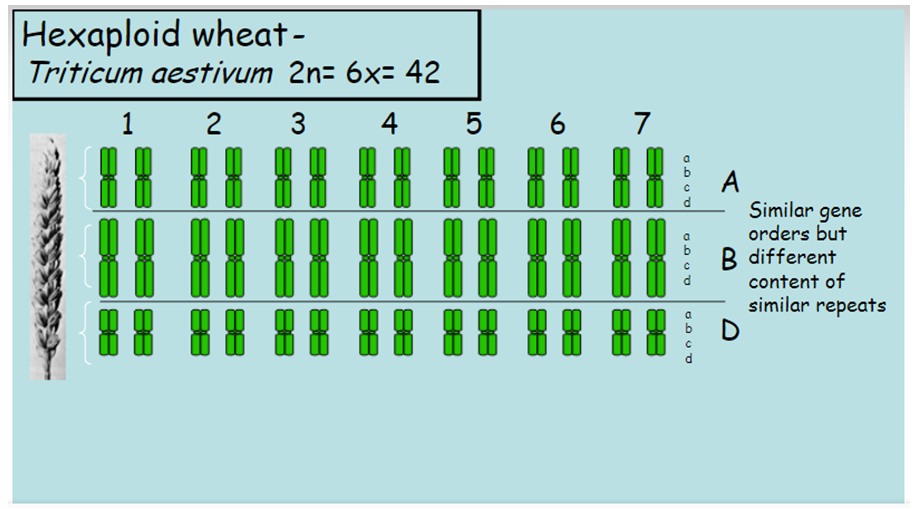
Bread wheat (Triticum aestivum, genome BBAADD) is a young hexaploid species formed only 8,500–9,000 years ago through hybridization between a domesticated free-threshing tetraploid progenitor, genome BBAA, and Aegilops tauschii, the diploid donor of the D subgenome. Triploidy is defined as a genetic condition characterized by the presence of three copies of each chromosome. It often results from fertilization of the egg by two sperm or abnormal chromosome separation during maternal meiosis, leading to high rates of spontaneous abortion and rare live births with severe malformations.We concluded that The plant of Triticum aestivum is (a) Haploid,(b) Diploid,(c) Tetraploid,(d) Hexaploid
Triticum aestivum is characterized by having collated roots, with seminal and adventitious roots. The seminal roots are people who originate, in numbers from 3 to eight, directly from the embryo; these are thin, very rich in the root, and really branched hairs. Triticum turgidum poorly tolerates aneuploidy, and monosomics are difficult to produce and maintain. A set of disomic substitution lines of the D-genome chromosomes for their A and B genome homoeologues serves a similar role in tetraploid wheat as monosomics in hexaploid wheat. In this work we estimated the number of genes in the hexaploid wheat genome to range between 94,000-96,000
Downloads